

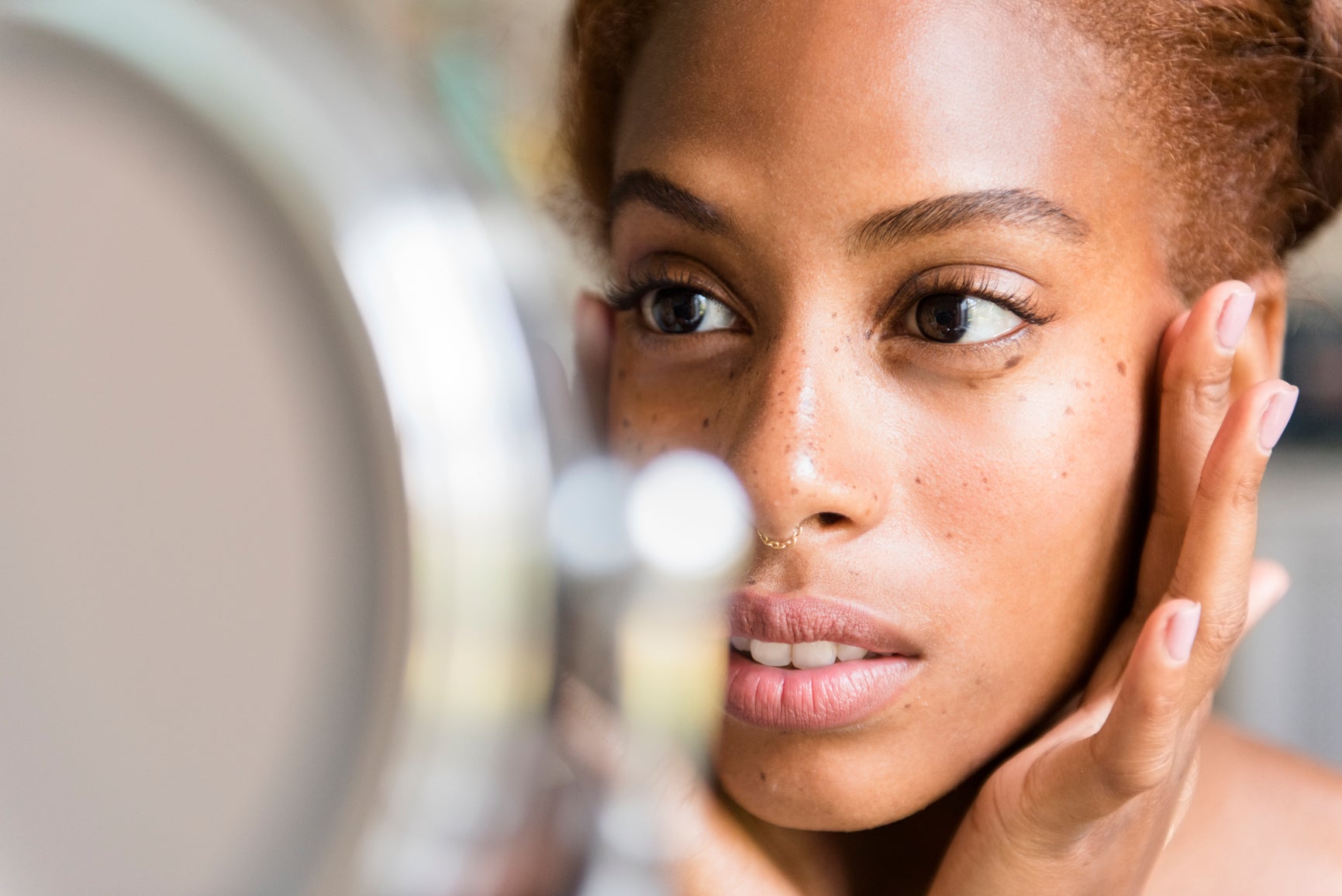
Our skin is a direct reflection of our overall health. Skin issues including oiliness, acne, dryness, and sensitivity may signal an imbalance in hormone levels. Identifying the root cause of these skin issues is an important step toward treatment.
Hormones are chemicals produced by glands in the endocrine system that act as messengers. These molecules carry specific signals from one cell to another. Hormones are responsible for regulating processes in the body including appetite, sleep cycle, metabolism, heart rate, mood, and stress. Though hormones are supposed to be in balance, like many things in life, they often surge or dip, which can have a profound effect on the skin.
4 Skin Signs of Hormonal Imbalance
The most common skin manifestations of hormonal imbalance include skin oiliness, acne, dryness, and sensitive, stressed skin.
Acne and Oily Skin
We’ve all experienced acne breakouts; from mild to severe. Breakouts on the skin can result from hormonal fluctuations. Our skin has many sebaceous glands that secrete an oily, waxy substance called sebum. Sebum and oil are essential for skin health. However, high levels of androgen hormones, like testosterone, can cause an overproduction of oil and create an environment for bacterial overgrowth, inflammation, and acne.
When treating hormonal acne, it is important to use a multi-pronged clinical approach including topical, oral, and lifestyle modifications. In terms of topicals, active ingredients such as Benzoyl Peroxide, Salicylic Acid, Glycolic Acid, and Retinol can help increase cellular turnover and reduce bacteria and inflammation. Dr. Zenovia's Clear Complexion Collection includes 5 breakthrough products for a complete acne-fighting regimen. Infused with Dr. Zenovia's proprietary, skin-balancing REG-ulate360 Complex™, this dermatologist-developed regimen is clinically proven to calm acne-prone skin, while eradicating blemishes, balancing sebum production, and helping to reduce the appearance of acne scarring and uneven texture.
Dry Skin
Dry skin commonly results when the climate changes to colder, drier weather; however, an increase in dry patches can also be a direct result of hormonal imbalance. Estrogen is linked to keeping the skin barrier strong and hydrated. A decrease in estrogen levels can therefore cause the skin to become rough, dry, and flaky.
Sensitive Skin
Hormones can affect the skin’s sensitivity levels especially at the start of a menstrual cycle. This is due to the fluctuation of estrogen throughout your monthly cycle. When the body produces less estrogen, it can make your skin feel more sensitive due to estrogen's influence on sensory processes in the brain.
Stressed Skin
Skin is an “immediate stress perceiver”, meaning our skin signals when stress levels in our bodies are high. Excessive stress can disrupt the delicate balance of our hormones causing us to release higher levels of cortisol. If the immune system is disrupted it can lead to a flare-up of existing inflammatory skin conditions including eczema, psoriasis, or acne.
How to Balance Your Hormones Naturally
Natural ways to balance hormones include eating a healthy diet, reducing stress, getting enough sleep, and exercising regularly. Be sure to discuss any changes in your skin with your primary care doctor or dermatologist and any menstrual cycle abnormalities with your gynecologist.
1 comment
This was an awesome read, as someone who has struggled with acne for YEARS I love to read articles to implement new ideas and try and help with my fight against acne.