


WHAT IT IS
What is Green Tea Polyphenols in Skincare?
Green tea polyphenols come from Camellia sinensis and are studied for anti-inflammatory and antioxidant activity in skin contexts. Systematic review evidence suggests topical green tea extract can be beneficial for acne outcomes with good tolerability, though more high-quality trials are warranted.
HOW IT WORKS
How Green Tea Polyphenols Works in the Skin
Mechanistically, green tea components are described as modulating inflammatory pathways and oxidative stress. A clinical study of topical EGCG demonstrated acne-lesion improvement over 8 weeks (split-face design).
BENEFITS
Benefits of Green Tea Polyphenols
Green tea polyphenols are commonly positioned to calm irritation-prone skin, support redness reduction, and provide antioxidant support that complements brighteners and retinoids.
WHO IT’S FOR
Who is Green Tea Polyphenols Best For?
This is especially relevant for sensitive-leaning, redness-prone, or blemish-prone routines where “calm + protect” matters as much as “treat.” Dr. Zenovia specifically uses high-concentration language (e.g., “90% green tea polyphenols” on the eye product) and integrates green tea into multiple systems.
WHAT MAKES US DIFFERENT
What Makes Our Green Tea Polyphenols Different
Dr. Zenovia frames green tea polyphenols as part of Curated Antioxidant Blend (green tea + caffeine + vitamin E) and as part of Triple Antioxidant Blend with resveratrol and caffeine—meaning it’s not a token botanical; it’s a consistent, repeatable “anti-inflammatory antioxidant” pillar across the line.
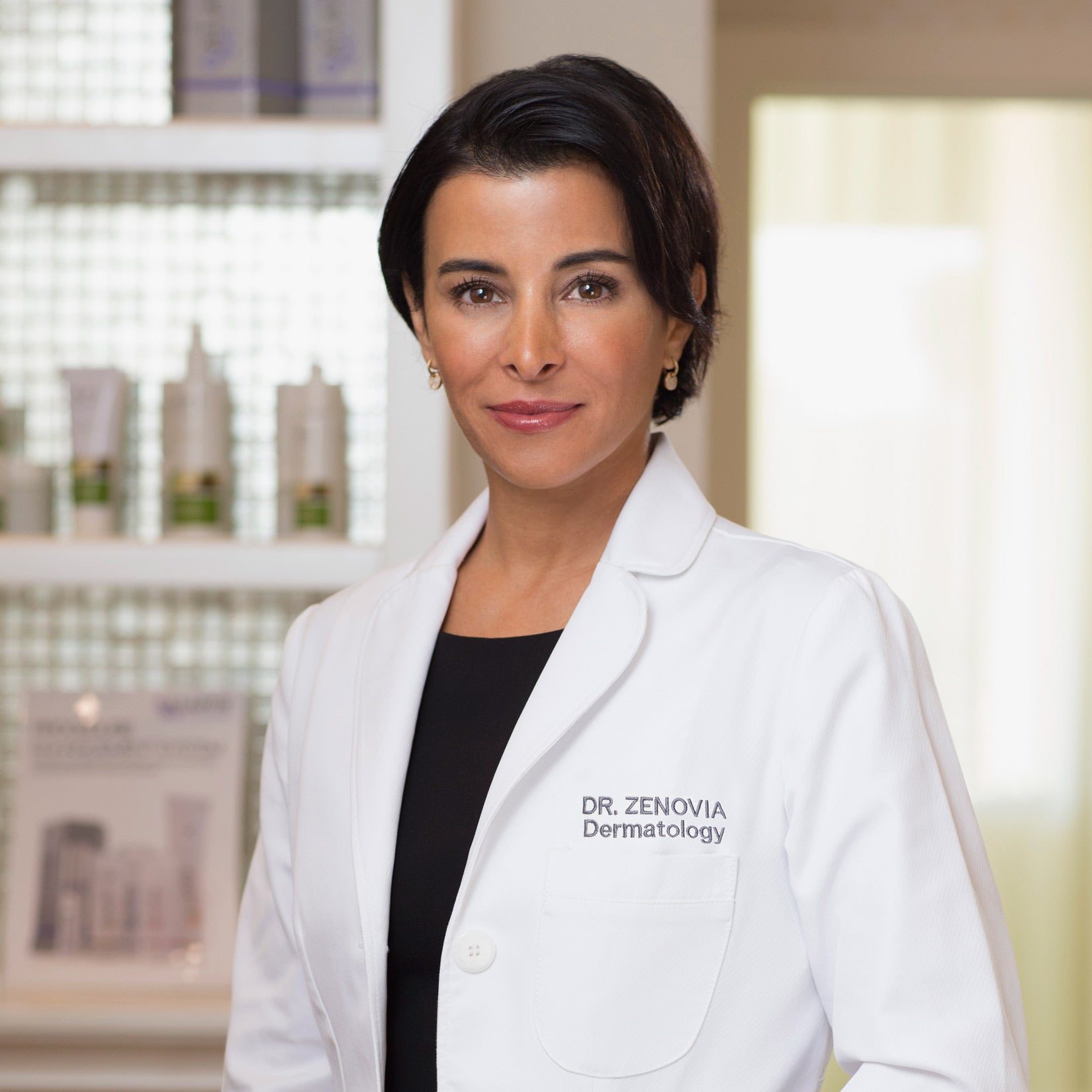
Dr. Z’s Clinical Insight
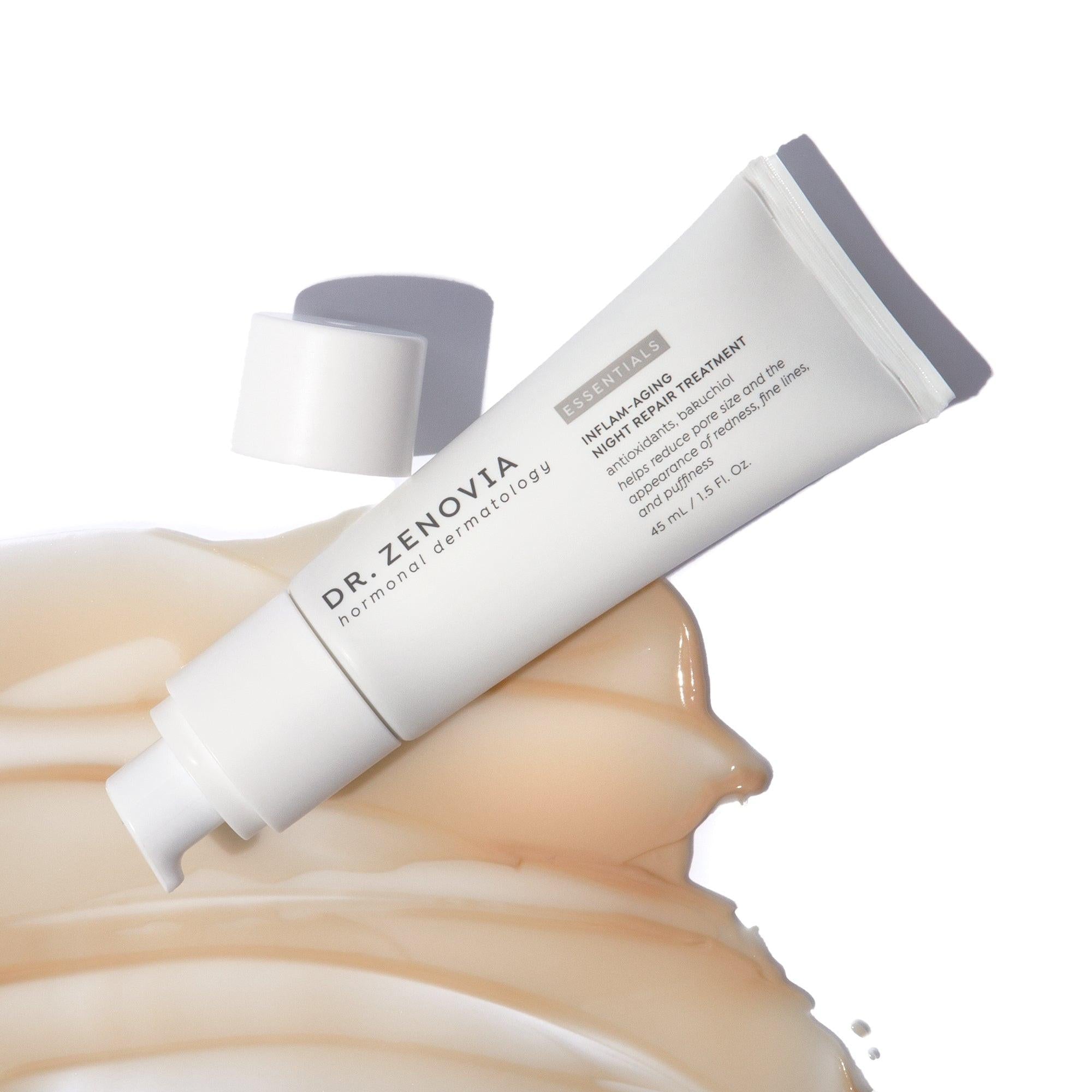
"For antioxidant-rich night products: apply consistently as your final evening step and protect renewed skin with SPF the next day."
COMMON QUESTIONS
Frequently Asked Questions About Green Tea Polyphenols
Does green tea help acne?
A systematic review/meta-analysis suggests topical green tea extract is beneficial for acne without significant adverse events; individual results depend on formula and regimen.
Is HA enough without moisturizer?
Hyaluronic Acid is an excellent hydrator — but it is not a complete moisturizer on its own.
HA attracts and holds water, but it does not replenish lipids or fully repair the skin barrier. That’s why we recommend layering it with a moisturizer that contains occlusives or barrier-supporting ingredients (like ceramides, glycerin, squalane, or phospholipids).
In our regimen philosophy, Hyaluronic Acid is best used as:
• A hydration booster
• A plumping serum
• A foundation layer for your routine
But for truly balanced, healthy skin, it should be followed by a moisturizer that locks everything in.

Green Tea Polyphenols remain a cornerstone ingredient in clinical skincare due to their scientifically supported antioxidant and soothing properties that help defend against visible environmental stressors, reduce the appearance of redness, support skin barrier health, and promote a calmer, more balanced complexion.
Featured Skincare Products with Green Tea Polyphenols
-
 Aloe Vera Blemish Soothing MoisturizerAloe Vera Blemish Soothing Moisturizer
- Regular price
-
$40.00 - Regular price
-
- Sale price
-
$40.00
Quick view
-
 Peptide + Ceramide Repairing MoisturizerPeptide + Ceramide Repairing Moisturizer
- Regular price
-
$82.00 - Regular price
-
- Sale price
-
$82.00
Quick view
-
 Hyaluronic Acid + Peptide SerumHyaluronic Acid + Peptide Serum
- Regular price
-
$72.00 - Regular price
-
- Sale price
-
$72.00
Quick view
-
 Inflam-aging Night Repair TreatmentInflam-aging Night Repair Treatment
- Regular price
-
$72.00 - Regular price
-
- Sale price
-
$72.00
Quick view


